The Evolving Landscape of Global Trade
In an increasingly interconnected world, the dynamics of global trade are undergoing significant transformations. These changes are driven by a multitude of factors, including technological advancements, political shifts, and economic policies. As nations strive to navigate these complexities, the importance of understanding and adapting to these changes cannot be overstated.
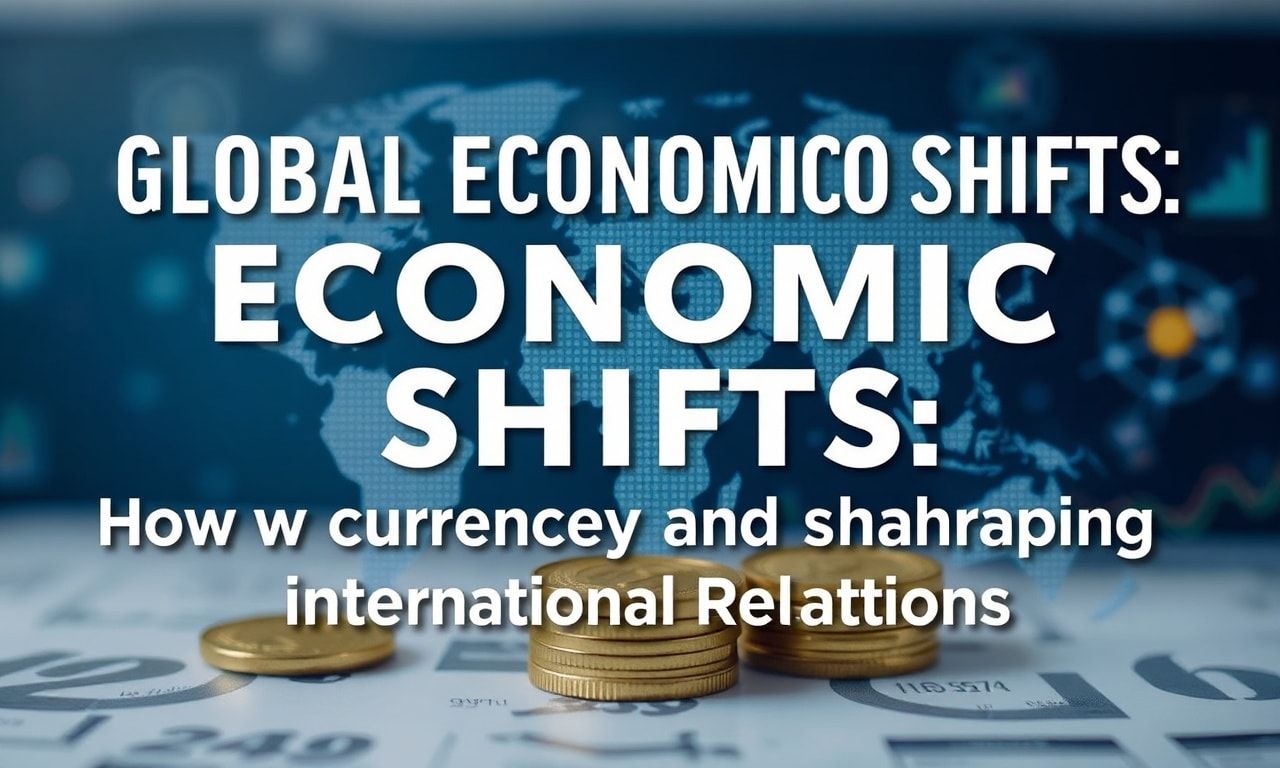
One of the key indicators of economic health and stability is the foreign exchange rate. For instance, the Indonesia foreign exchange rate today serves as a critical barometer for the country’s economic performance and its standing in the global market. Fluctuations in exchange rates can have profound implications for trade, investment, and overall economic growth.
The Role of Foreign Exchange Rates in International Trade
Foreign exchange rates play a pivotal role in shaping the landscape of international trade. They influence the cost of imports and exports, thereby impacting the competitiveness of goods and services in the global market. For example, a stronger currency can make a country’s exports more expensive, potentially reducing demand from foreign buyers. Conversely, a weaker currency can boost exports by making goods more affordable for international consumers.
In the context of Indonesia, the Indonesia foreign exchange rate today is a crucial factor for businesses and policymakers. It affects the cost of raw materials and finished goods, as well as the profitability of trade operations. Understanding these dynamics is essential for making informed decisions that can drive economic growth and stability.
The Impact of Technological Advancements on Global Trade
Technological advancements have revolutionized the way global trade operates. The advent of digital platforms, e-commerce, and advanced logistics systems has streamlined trade processes, making them more efficient and cost-effective. These innovations have enabled businesses to reach a broader audience and access new markets with ease.
Moreover, the rise of fintech and blockchain technology has transformed the way financial transactions are conducted. These technologies offer secure, transparent, and efficient means of conducting business, reducing the risks associated with traditional trade finance methods. As a result, businesses can operate more confidently and expand their operations globally.
Political and Economic Policies Shaping Trade Dynamics
Political and economic policies play a significant role in shaping the dynamics of global trade. Governments around the world implement various measures to protect domestic industries, promote exports, and attract foreign investment. These policies can range from tariffs and subsidies to trade agreements and regulatory frameworks.
For instance, the implementation of trade agreements such as the Comprehensive and Progressive Agreement for Trans-Pacific Partnership (CPTPP) has facilitated trade among member countries by reducing tariffs and removing trade barriers. Such agreements foster economic cooperation and create opportunities for businesses to thrive in the global market.
The Future of Global Trade: Challenges and Opportunities
The future of global trade is fraught with both challenges and opportunities. While technological advancements and political cooperation offer promising prospects, economic uncertainties and geopolitical tensions pose significant risks. Navigating these complexities requires a comprehensive understanding of the factors at play and a strategic approach to decision-making.
Businesses and policymakers must stay informed about the latest developments in global trade and adapt their strategies accordingly. By leveraging technology, fostering international cooperation, and implementing sound economic policies, they can position themselves for success in an ever-evolving global landscape.