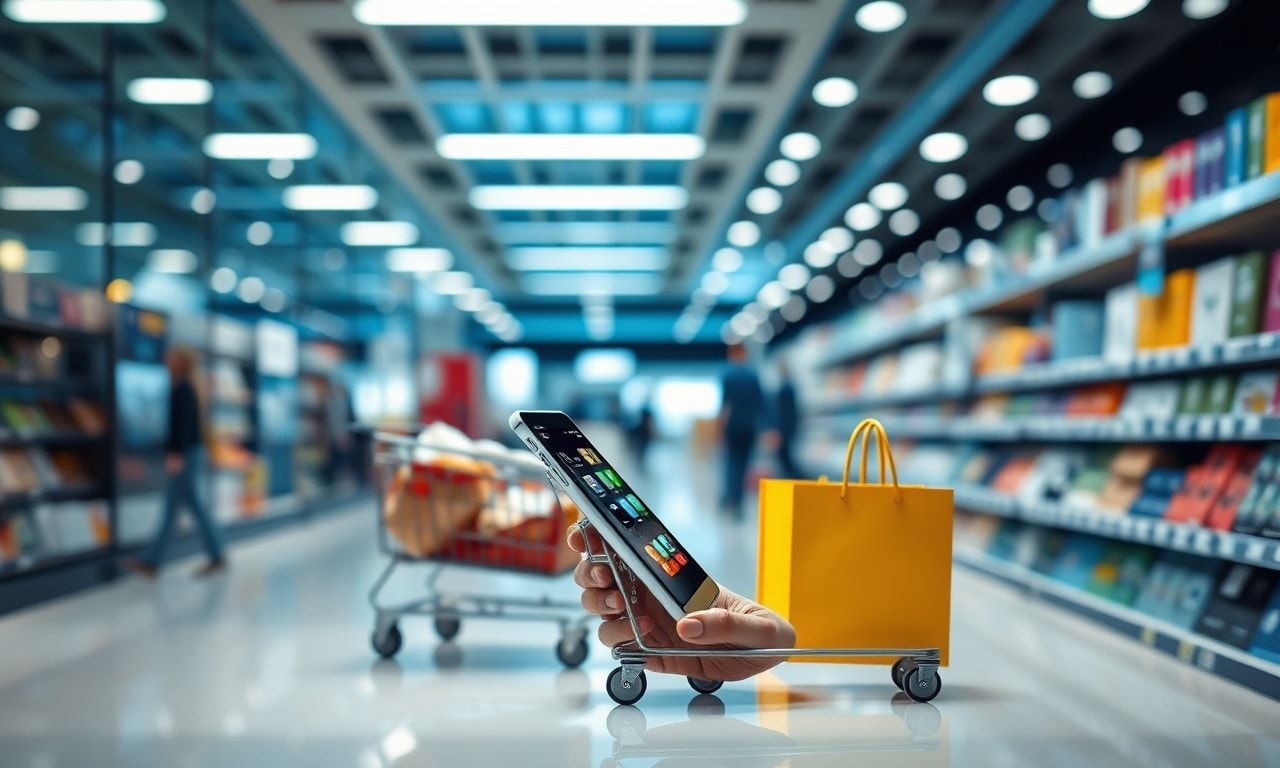
The Rise of Smart Shopping
The digital age has ushered in a new era of consumerism, where technology and convenience intersect to create a seamless shopping experience. Smart shopping, a term that encompasses the use of technology to enhance the purchasing process, is rapidly gaining traction among consumers worldwide. From mobile apps that compare prices to virtual assistants that make recommendations, the tools available to modern shoppers are more sophisticated than ever before.
This shift towards smart shopping is driven by several factors, including the proliferation of smartphones, the rise of e-commerce, and the increasing demand for personalized experiences. Consumers are no longer content with a one-size-fits-all approach; they seek tailored solutions that cater to their unique preferences and needs. As a result, retailers and tech companies are investing heavily in innovative technologies to meet these evolving expectations.
The Impact of Smart Shopping on Consumer Behavior
One of the most significant impacts of smart shopping is the way it has altered consumer behavior. Shoppers are now more informed, more discerning, and more price-conscious than ever before. The ability to compare prices, read reviews, and access a wealth of information at their fingertips has empowered consumers to make more informed decisions.
Moreover, the convenience offered by smart shopping tools has led to a change in purchasing habits. Consumers are increasingly turning to online platforms for their shopping needs, preferring the ease and speed of digital transactions over traditional brick-and-mortar stores. This shift has profound implications for retailers, who must adapt to the changing landscape or risk being left behind.
The Role of Artificial Intelligence
Artificial Intelligence (AI) is at the heart of the smart shopping revolution. AI-powered tools can analyze vast amounts of data to provide personalized recommendations, predict consumer behavior, and even anticipate future trends. For example, AI algorithms can track a shopper’s browsing history and purchase patterns to suggest products that align with their interests.
AI is also being used to enhance the customer experience. Chatbots and virtual assistants, powered by natural language processing, can provide instant support and answer queries, making the shopping process more efficient and user-friendly. These advancements are not only improving customer satisfaction but also driving sales and loyalty.
Smart Shopping and Sustainability
Another notable trend in smart shopping is the growing emphasis on sustainability. Consumers are increasingly aware of the environmental impact of their purchasing decisions and are seeking ways to shop more responsibly. Smart shopping tools can help by providing information on the sustainability of products, suggesting eco-friendly alternatives, and even tracking the carbon footprint of purchases.
For instance, some apps offer akıllı alışveriş tasarruf ipuçları that guide shoppers towards more sustainable choices. These tools can make a significant difference in promoting environmentally conscious consumer behavior, contributing to a more sustainable future.
The Future of Smart Shopping
The future of smart shopping looks bright, with continued advancements in technology set to further revolutionize the consumer experience. Emerging technologies such as augmented reality (AR) and virtual reality (VR) are poised to transform the way we shop, offering immersive experiences that blur the line between the physical and digital worlds.
AR, for example, can allow shoppers to visualize products in their own environment before making a purchase, while VR can create virtual showrooms where consumers can browse and interact with products in a realistic setting. These technologies have the potential to make online shopping more engaging and interactive, further enhancing the consumer experience.
Challenges and Considerations
Despite the numerous benefits of smart shopping, there are also challenges and considerations to be aware of. One of the primary concerns is data privacy. As consumers share more personal information with retailers and tech companies, the risk of data breaches and misuse of information increases. It is crucial for companies to implement robust security measures and for consumers to be vigilant about their data.
Another challenge is the digital divide. While smart shopping offers numerous advantages, not all consumers have equal access to the technology required to participate. This disparity can exacerbate existing inequalities and create a divide between those who can benefit from smart shopping and those who cannot. Addressing this issue will require concerted efforts from policymakers, tech companies, and retailers.
Conclusion
The rise of smart shopping is a testament to the power of technology to transform consumer behavior. From AI-powered recommendations to sustainable shopping tools, the innovations in this field are reshaping the way we shop and interact with retailers. As technology continues to evolve, the possibilities for smart shopping are endless, offering exciting opportunities for both consumers and businesses alike.
However, it is essential to address the challenges and considerations that come with these advancements. By prioritizing data privacy, bridging the digital divide, and promoting sustainable practices, we can ensure that the benefits of smart shopping are accessible to all and contribute to a more equitable and sustainable future.
As celestial events captivate global audiences, our latest feature exploring eclipses’ cultural significance delves into the intersection of science and tradition.
As Manchester prepares for an unusual astronomical occurrence, our latest report delves into the details and the city’s security response: celestial event brings heightened security.
As celestial events captivate global audiences, a new perspective on their influence emerges in solar events and lifestyle shifts, highlighting unique cultural and personal transformations.