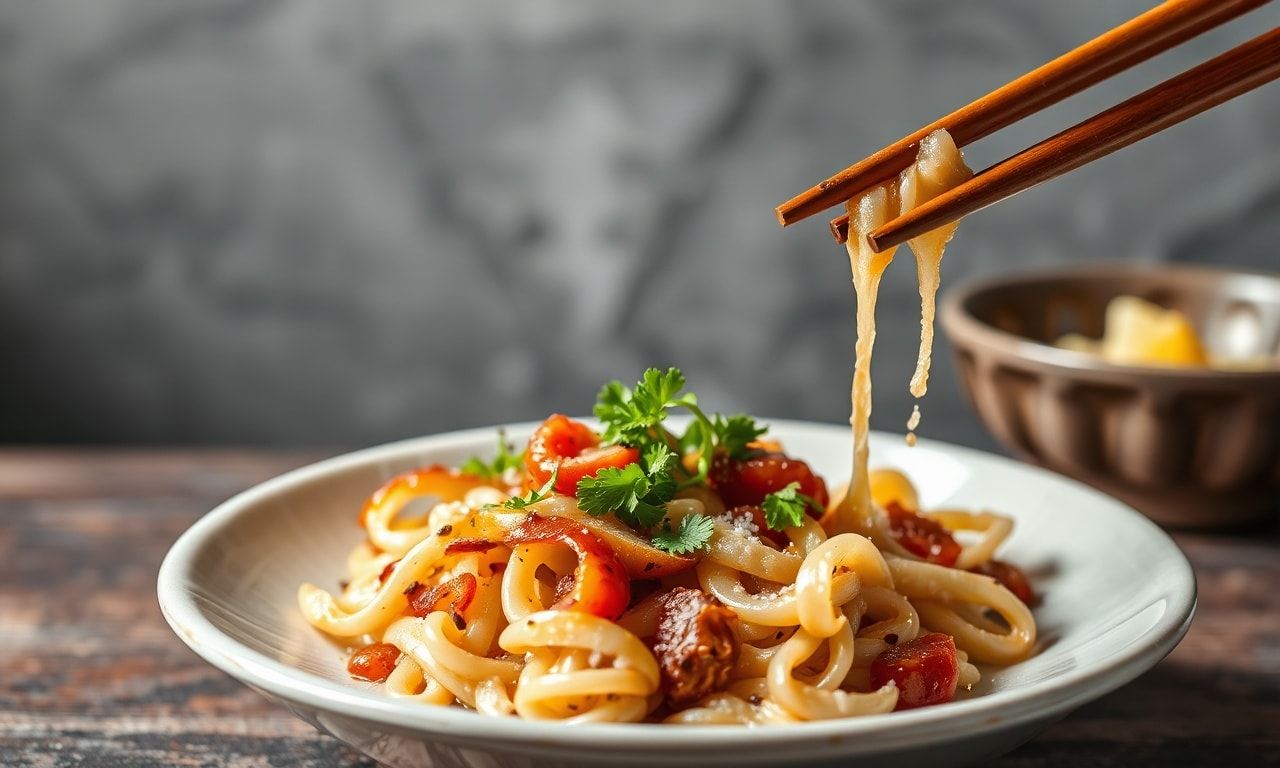
The Pandemic’s Lasting Impact on Dining Habits
The COVID-19 pandemic has indelibly altered numerous aspects of daily life, with one of the most notable shifts occurring in the realm of dining. As restaurants faced closures and capacity restrictions, home cooking surged in popularity. Among the various cuisines that have seen a resurgence in home kitchens, Japanese food stands out, particularly the art of sushi and sashimi preparation.
This trend is not merely a fleeting fad but rather a reflection of a broader cultural shift towards appreciating the intricacies of global cuisines. The accessibility of high-quality ingredients, coupled with the wealth of online resources available, has empowered home cooks to explore and master the techniques of Japanese cuisine.
The Appeal of Japanese Cuisine
Japanese cuisine, known for its emphasis on freshness, simplicity, and precision, has long captivated food enthusiasts worldwide. Dishes like sushi, sashimi, ramen, and tempura are celebrated for their delicate flavors and meticulous presentation. The pandemic has amplified this interest, as people seek out new culinary challenges and ways to elevate their home cooking.
Sushi and sashimi, in particular, have gained traction among home cooks. These dishes require a deep understanding of fish selection, knife skills, and presentation, making them both challenging and rewarding to prepare. The satisfaction of creating restaurant-quality sushi at home has driven many to delve into the art of Japanese cuisine.
How to Make Perfect Sashimi at Home
For those eager to embark on this culinary journey, resources like how to make perfect sashimi at home tips provide invaluable guidance. These resources offer step-by-step instructions on selecting the freshest fish, mastering the proper cutting techniques, and presenting sashimi in an aesthetically pleasing manner. By following these expert tips, home cooks can achieve professional-level results and impress their guests with beautifully crafted sashimi.
In addition to sashimi, sushi-making has also seen a surge in popularity. The process of rolling sushi, whether in nigiri, maki, or temaki form, requires patience and practice. However, the sense of accomplishment that comes from creating a perfectly rolled sushi piece is unparalleled. Online tutorials and cooking classes have made it easier than ever to learn these techniques and refine one’s skills.
The Role of Technology in Culinary Education
The rise of home-based Japanese cuisine can be largely attributed to the proliferation of technology. With the advent of high-speed internet and smartphones, access to culinary knowledge has become unprecedented. Cooking channels on YouTube, virtual cooking classes, and online forums have democratized culinary education, allowing aspiring chefs to learn from experts around the world.
Social media platforms like Instagram and TikTok have also played a significant role in popularizing Japanese cuisine. Food bloggers and influencers share visually stunning images and videos of their culinary creations, inspiring their followers to try their hand at making sushi and sashimi. The viral nature of these platforms has created a global community of home cooks eager to share their experiences and learn from one another.
The Importance of Quality Ingredients
While technology has made it easier to learn the techniques of Japanese cuisine, the quality of the ingredients remains paramount. Freshness is the cornerstone of Japanese cooking, particularly when it comes to sushi and sashimi. High-quality fish, rice, and other ingredients are essential for achieving authentic flavors and textures.
Fortunately, the availability of specialty ingredients has improved significantly in recent years. Online retailers and local Asian markets now offer a wide range of Japanese ingredients, from sushi-grade fish to nori and wasabi. This accessibility has made it easier for home cooks to source the necessary components for their culinary endeavors.
The Future of Home-Based Japanese Cuisine
As the world continues to adapt to the post-pandemic landscape, the trend of home-based Japanese cuisine is likely to persist. The skills and knowledge acquired during this time will endure, fostering a new generation of home cooks who are passionate about Japanese food. This cultural exchange not only enriches our culinary experiences but also promotes a deeper appreciation for the artistry and tradition behind Japanese cuisine.
Moreover, the growing interest in Japanese cuisine has the potential to drive economic growth in the food industry. As more people seek out high-quality ingredients and specialized tools, businesses that cater to this market will thrive. This, in turn, can lead to increased demand for authentic Japanese products and the expansion of culinary education programs.
The rise of home-based Japanese cuisine is a testament to the enduring appeal of global culinary traditions. As we continue to explore and celebrate the diverse flavors of the world, we enrich our lives and foster a deeper understanding of the cultures that inspire us. Whether you are a seasoned chef or a novice cook, the art of Japanese cuisine offers endless opportunities for creativity and enjoyment.
In our latest feature, we delve into the evolving world of Thai cuisine with Thailand’s culinary innovation journey, highlighting how the nation balances tradition with modern trends.
If you enjoyed this article, we recommend checking out The Ultimate Guide to Entertainment: Movies, for further reading.
In our fast-paced world, staying informed about daily essentials is crucial; check out key points for daily life to stay ahead.