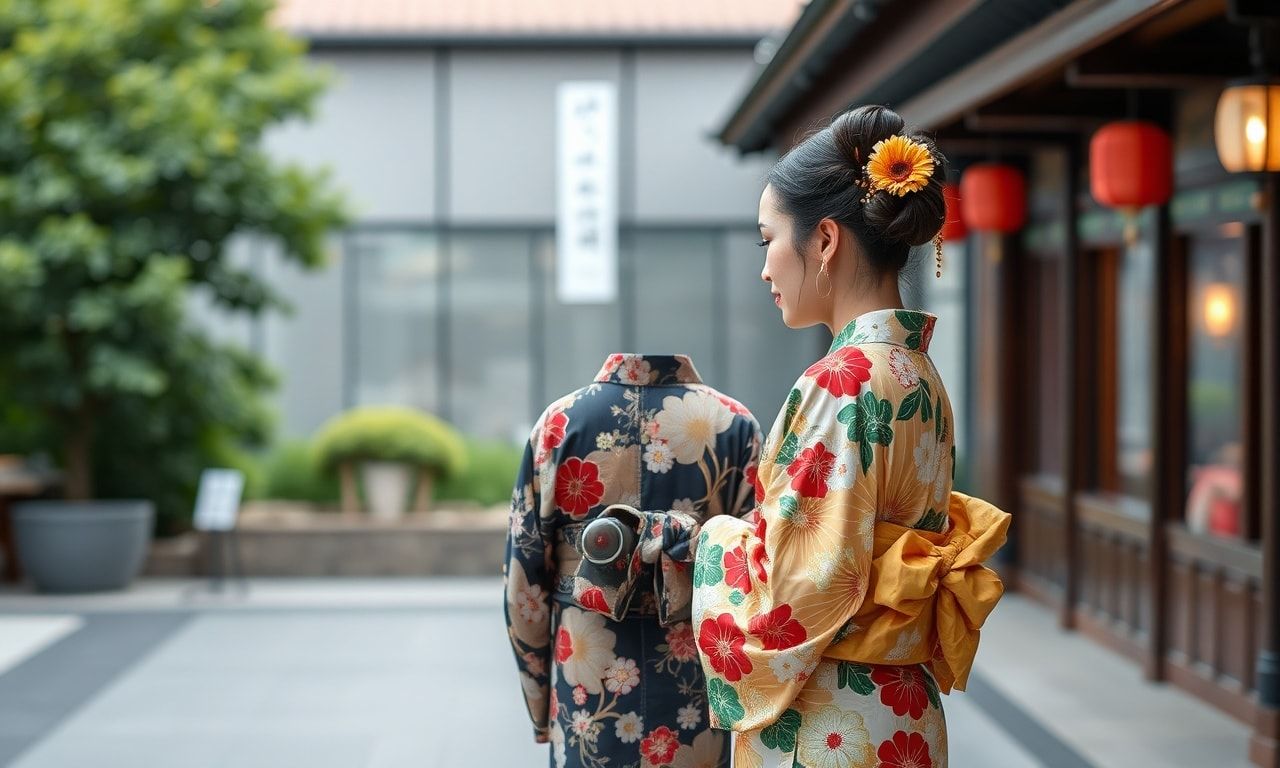
The Resurgence of Traditional Fashion in Modern Society
The world is witnessing a remarkable resurgence of traditional fashion, with the kimono leading the charge. This iconic garment, deeply rooted in Japanese culture, is making a significant comeback on the global stage. As we look ahead to 2026, the influence of kimono fashion is expected to grow, blending tradition with contemporary style and making a statement in the world of travel and fashion.
The Evolution of Kimono Fashion
The kimono, once a staple of everyday wear in Japan, has evolved into a symbol of cultural heritage and elegance. Over the years, designers have reimagined the kimono, incorporating modern fabrics, patterns, and silhouettes. This evolution has made the kimono more accessible and appealing to a global audience, particularly those interested in sustainable and culturally rich fashion.
In recent years, the kimono has gained popularity among travelers who seek to immerse themselves in the local culture. The garment’s versatility allows it to be worn in various settings, from casual outings to formal events. As a result, kimono fashion for travel 2026 is poised to become a significant trend, with more people embracing this timeless piece as a way to connect with different cultures.
The Influence of Social Media
Social media has played a crucial role in the resurgence of kimono fashion. Platforms like Instagram and Pinterest have become virtual runways where influencers and fashion enthusiasts showcase their kimono styles. This digital exposure has not only increased the visibility of the kimono but also sparked a global conversation about the importance of preserving and celebrating traditional fashion.
Moreover, social media has facilitated the exchange of ideas and trends, allowing designers and enthusiasts to collaborate across borders. This global exchange has led to innovative interpretations of the kimono, blending Japanese aesthetics with elements from other cultures. As a result, the kimono is no longer just a piece of clothing; it has become a symbol of cultural exchange and unity.
The Role of Festivals and Events
Festivals and events dedicated to kimono fashion have further fueled its popularity. These gatherings provide a platform for designers, artisans, and enthusiasts to come together and celebrate the artistry of the kimono. One such event is the kimono fashion for travel 2026 festival, which showcases the latest trends and innovations in kimono design. Such events not only highlight the beauty of the kimono but also educate the public about its cultural significance.
The kimono fashion for travel 2026 festival, in particular, is expected to draw a diverse crowd, including travelers, fashion lovers, and cultural enthusiasts. The event will feature workshops, fashion shows, and panel discussions, offering attendees a comprehensive experience of kimono culture. By participating in such events, individuals can deepen their understanding and appreciation of the kimono, further contributing to its global appeal.
The Future of Kimono Fashion
Looking ahead, the future of kimono fashion is bright. With the increasing interest in sustainable and culturally rich fashion, the kimono is well-positioned to become a staple in wardrobes worldwide. Designers are continually experimenting with new materials, patterns, and techniques, ensuring that the kimono remains relevant and exciting.
Additionally, the growing trend of cultural tourism is expected to boost the popularity of kimono fashion. As more people travel to Japan and other countries to experience different cultures, the demand for traditional garments like the kimono will rise. This trend presents an opportunity for the fashion industry to promote cultural exchange and preserve traditional craftsmanship.
Challenges and Opportunities
While the future of kimono fashion is promising, it is not without challenges. One of the main obstacles is the need to balance tradition with innovation. Designers must respect the cultural significance of the kimono while also pushing the boundaries of its design. This delicate balance requires a deep understanding of both the garment’s history and contemporary fashion trends.
Another challenge is the accessibility of the kimono. While the garment has become more popular, it can still be difficult for some people to find kimonos that fit their style and budget. Addressing this issue will require collaboration between designers, retailers, and cultural organizations to make the kimono more accessible to a broader audience.
Despite these challenges, the opportunities for kimono fashion are vast. By embracing innovation and collaboration, the fashion industry can ensure that the kimono continues to thrive and evolve. The kimono fashion for travel 2026 trend is just the beginning, and the future holds endless possibilities for this iconic garment.
Conclusion
The resurgence of kimono fashion is a testament to the enduring appeal of traditional garments. As we look ahead to 2026, the kimono is set to make a significant impact on the global fashion scene, blending tradition with modernity and promoting cultural exchange. Through festivals, social media, and innovative design, the kimono is poised to become a symbol of unity and cultural appreciation. By embracing this trend, we can celebrate the beauty of traditional fashion and its role in connecting people across the world.
To gain a deeper understanding of Sheffield’s vibrant cultural scene, explore diversity through fashion and events, highlighting the city’s unique blend of traditions and modern influences.
In our latest feature, we delve into the evolving cultural landscape of Rotorua, highlighting the city’s unique blend of old and new.