The Rise of Food Influencers
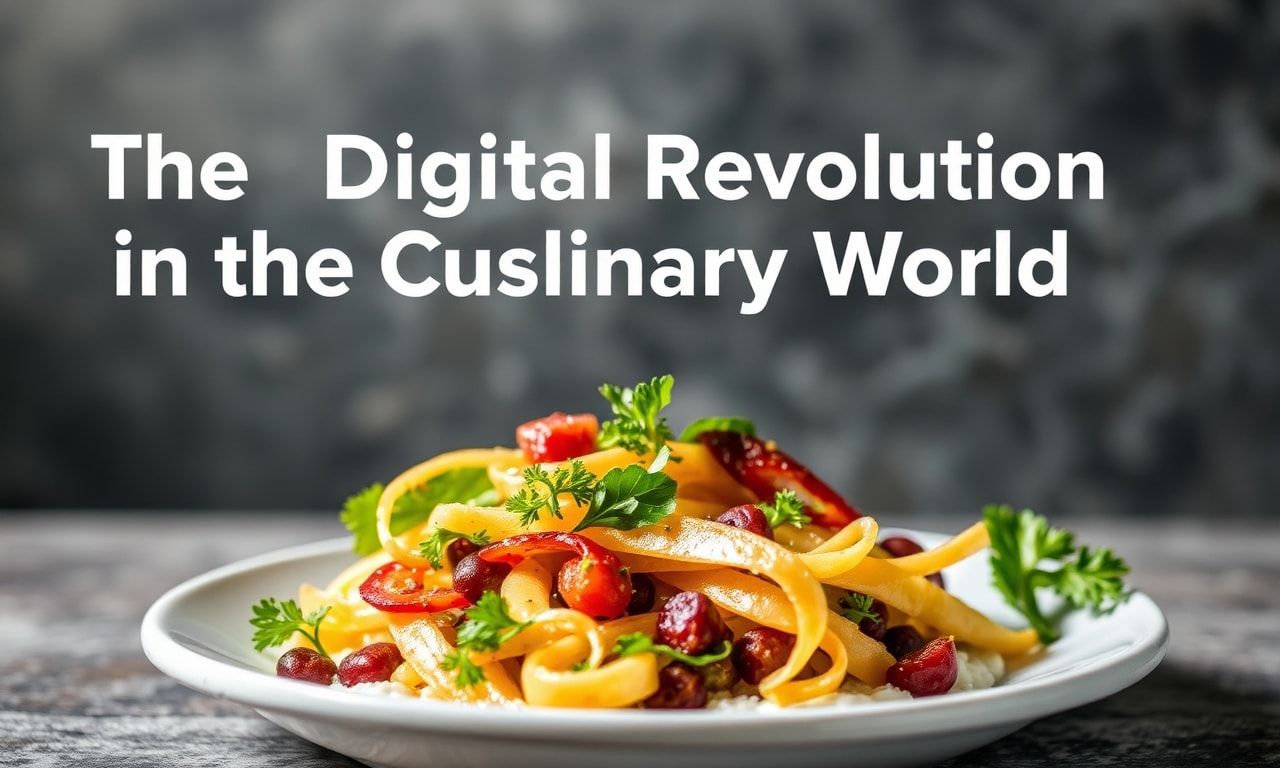
The culinary world is undergoing a significant transformation, driven by the rise of social media platforms. Food influencers, chefs, and culinary enthusiasts are leveraging platforms like Instagram, TikTok, and YouTube to share their creations, engage with audiences, and build personal brands. This digital revolution is not only changing how we discover new recipes but also how we perceive and interact with food.
The Impact of Social Media on the Culinary Industry
Social media has become an essential tool for chefs and culinary professionals. Platforms like Instagram allow chefs to showcase their culinary skills, share behind-the-scenes content, and connect with food enthusiasts worldwide. The visual nature of Instagram makes it an ideal platform for food photography and videography, enabling chefs to create stunning visuals that captivate audiences. This increased visibility can lead to new opportunities, such as collaborations, sponsorships, and even restaurant openings.
For instance, many chefs have gained significant followings by sharing their unique recipes and cooking techniques. This has led to a surge in demand for their services, with some chefs even offering online cooking classes and virtual dining experiences. The ability to reach a global audience has democratized the culinary world, allowing talented chefs from all backgrounds to gain recognition and build successful careers.
The Role of Instagram Follower Services
As the competition for attention on social media intensifies, many chefs and culinary influencers are turning to services like the Instagram follower service for chefs to boost their online presence. These services help chefs gain a larger following, which can enhance their credibility and attract more opportunities. However, it’s important to note that while follower count can be a useful metric, engagement and authenticity are equally crucial for long-term success.
The Evolution of Food Content
The type of food content shared on social media has evolved significantly over the years. Initially, food photography focused on beautifully plated dishes and professional food styling. However, the trend has shifted towards more authentic and relatable content. Chefs and influencers are now sharing raw, unfiltered moments from their kitchens, offering a glimpse into their creative processes and personal lives.
This shift towards authenticity has resonated with audiences, who appreciate the transparency and genuine connection. Food content that tells a story, whether it’s about cultural heritage, personal experiences, or culinary innovations, tends to perform better. This trend has also led to the rise of food blogs and vlogs, where chefs and influencers share detailed recipes, cooking tips, and personal anecdotes.
The Influence of Short-Form Video Content
Short-form video content, particularly on platforms like TikTok and Instagram Reels, has become a powerful tool for culinary professionals. These platforms allow chefs to share quick, engaging videos that showcase their skills and creativity. The viral nature of short-form content can lead to rapid growth in followers and increased visibility. Chefs are using this format to share quick recipes, cooking hacks, and behind-the-scenes footage, making their content more accessible and engaging.
For example, the “TikTok chefs” phenomenon has seen numerous culinary professionals gain massive followings by sharing quick, entertaining videos. These videos often feature creative cooking techniques, unique recipes, and humorous commentary, making them highly shareable and engaging. The success of these chefs highlights the potential of short-form video content to reach a broader audience and build a loyal following.
The Future of Culinary Social Media
As social media continues to evolve, the culinary world is likely to see even more innovation and change. Virtual reality (VR) and augmented reality (AR) technologies are beginning to make their way into the food industry, offering immersive dining experiences and interactive cooking tutorials. These technologies have the potential to revolutionize the way we engage with food content, making it more interactive and personalized.
Additionally, the rise of AI and machine learning is expected to impact the culinary world significantly. AI-powered tools can help chefs create personalized recipes, optimize cooking processes, and even predict food trends. These advancements have the potential to streamline culinary operations, enhance creativity, and improve the overall dining experience.
In conclusion, the digital revolution in the culinary world is transforming the way we experience food. Social media platforms like Instagram, TikTok, and YouTube are providing chefs and culinary influencers with unprecedented opportunities to showcase their talents, connect with audiences, and build successful careers. As technology continues to advance, the culinary world is poised for even more exciting developments, offering new ways to engage with food and share culinary creativity.
In the latest update on environmental conservation efforts, Azerbaijan’s steps to protect nature outlines the country’s recent initiatives to preserve its natural resources.