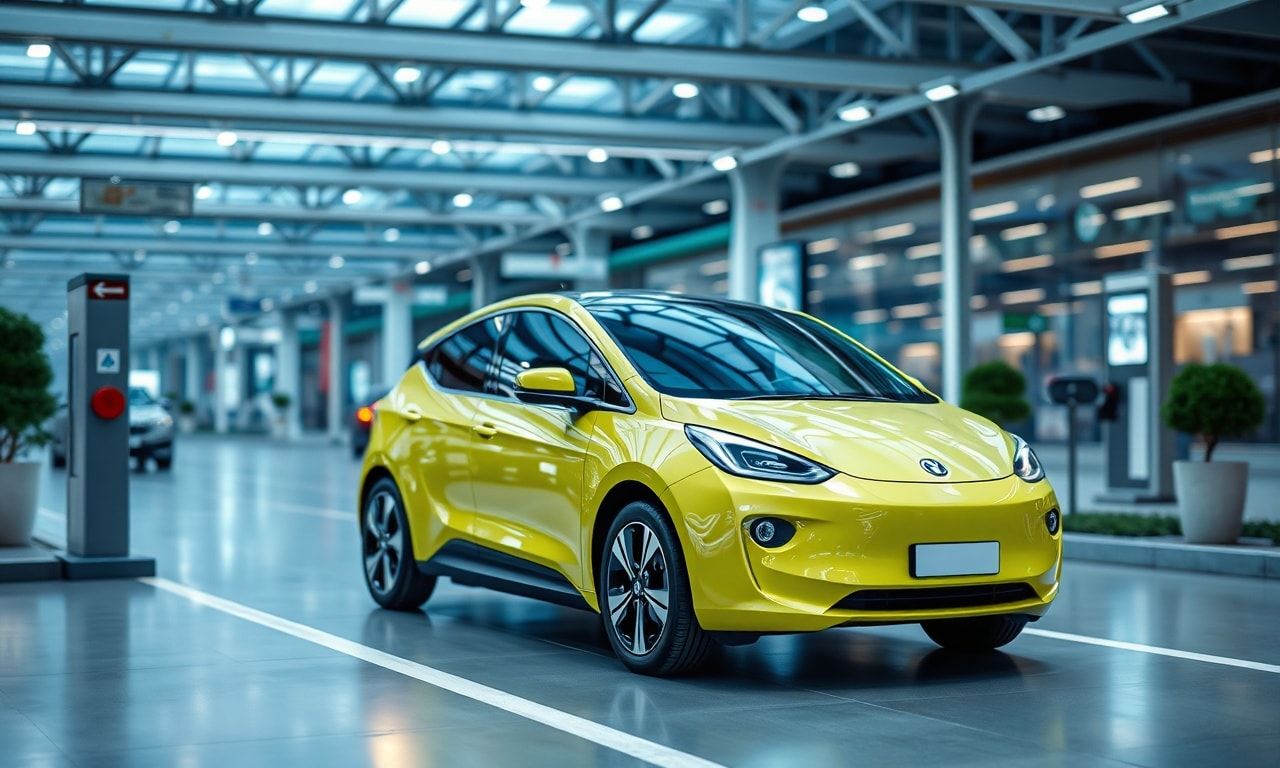
The Rise of Electric Vehicles
The automotive industry is undergoing a significant transformation, driven by the rapid rise of electric vehicles (EVs). This shift is not only reshaping the way we think about transportation but also influencing global markets and environmental policies. The increasing demand for EVs is fueled by advancements in technology, growing environmental consciousness, and supportive government regulations.
Electric vehicles offer numerous advantages over traditional internal combustion engine (ICE) vehicles. They produce zero tailpipe emissions, reducing air pollution and greenhouse gas emissions. Additionally, EVs are more energy-efficient and have lower operating costs, making them an attractive option for consumers and businesses alike.
Technological Advancements
One of the key factors driving the growth of the EV market is the continuous improvement in battery technology. Lithium-ion batteries, which are currently the most common type of batteries used in EVs, have seen significant advancements in energy density, charging speed, and lifespan. These improvements have led to longer driving ranges and shorter charging times, addressing two of the primary concerns of potential EV buyers.
Another area of innovation is in motor technology. The performance of electric motors has seen remarkable progress, with improvements in efficiency, power output, and durability. For those interested in the latest developments in electric motor performance, exploring resources like elektrikli araba motor performansı can provide valuable insights into the cutting-edge technologies shaping the future of electric propulsion.
The Global Market Landscape
The global EV market is expanding at an unprecedented rate, with major automotive manufacturers investing heavily in electric vehicle development and production. Countries like China, the United States, and several European nations are leading the charge, with substantial investments in EV infrastructure and supportive policies.
China, in particular, has emerged as a global leader in the EV market. The country’s aggressive push towards electric mobility is driven by its commitment to reducing air pollution and dependence on fossil fuels. Chinese automakers are not only dominating the domestic market but are also making significant inroads into international markets, challenging traditional automotive giants.
Government Policies and Incentives
Government policies and incentives play a crucial role in accelerating the adoption of electric vehicles. Many countries have implemented measures such as tax incentives, subsidies, and rebates to make EVs more affordable for consumers. Additionally, regulations aimed at reducing emissions and promoting sustainable transportation are driving automakers to invest in electric vehicle technology.
For instance, the European Union has set ambitious targets to reduce CO2 emissions from new cars, which has prompted automakers to accelerate their EV development programs. Similarly, the United States has introduced tax credits and other incentives to encourage the purchase of electric vehicles, further boosting market growth.
Challenges and Opportunities
Despite the rapid growth of the EV market, several challenges remain. One of the primary challenges is the need for a robust charging infrastructure. While significant progress has been made in this area, there is still a need for more widespread and accessible charging stations to support the growing number of EVs on the road.
Another challenge is the availability of raw materials required for EV batteries, such as lithium, cobalt, and nickel. The increasing demand for these materials has raised concerns about supply chain sustainability and ethical sourcing. Automakers and battery manufacturers are exploring alternative materials and recycling technologies to address these issues.
However, the EV market also presents numerous opportunities. The shift towards electric mobility is creating new business models and revenue streams, from battery recycling and second-life applications to smart charging and energy management systems. These innovations are not only driving market growth but also contributing to a more sustainable and efficient transportation ecosystem.
Consumer Trends and Preferences
Consumer preferences are evolving, with an increasing number of buyers prioritizing sustainability and environmental impact in their purchasing decisions. This shift is reflected in the growing demand for EVs, particularly among younger generations who are more environmentally conscious.
Automakers are responding to these trends by expanding their EV offerings and focusing on design, performance, and technology. The latest EVs feature advanced driver-assistance systems, connectivity options, and autonomous driving capabilities, making them more appealing to a broader range of consumers.
Conclusion
The future of transportation is undeniably electric. The rapid advancements in EV technology, coupled with supportive government policies and changing consumer preferences, are driving the global shift towards electric mobility. While challenges remain, the opportunities presented by the EV market are vast and promising. As the industry continues to evolve, we can expect to see further innovations that will shape the future of transportation and contribute to a more sustainable world.