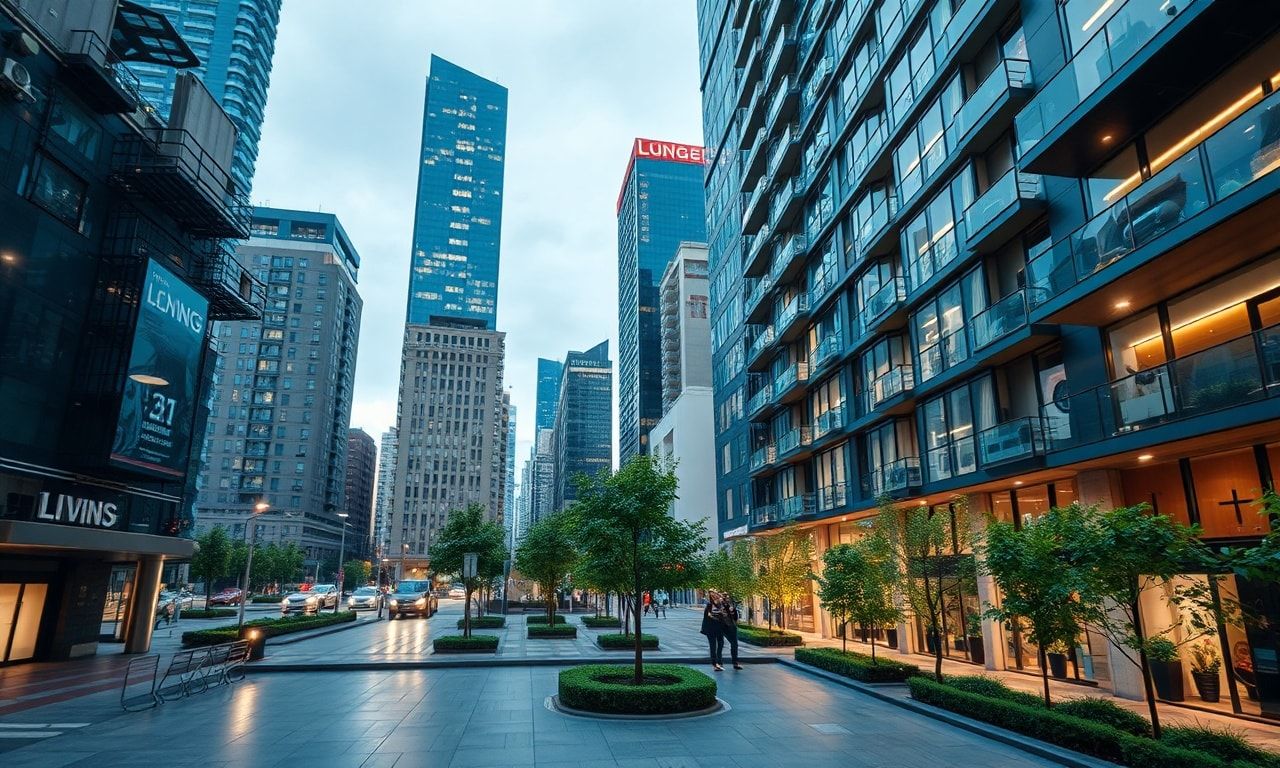
The Evolution of Cityscapes
The world is rapidly urbanizing, with cities becoming hubs of innovation, culture, and economic activity. As we look towards 2026, several trends are emerging that will redefine urban living. From sustainable architecture to smart technology integration, cities are poised for a significant transformation.
Sustainability at the Forefront
One of the most notable trends is the push towards sustainability. Cities are increasingly adopting green building practices, aiming to reduce their carbon footprint. This includes the use of renewable energy sources, such as solar and wind power, and the implementation of green spaces within urban environments. Buildings are being designed with energy efficiency in mind, incorporating features like green roofs and walls, and advanced insulation materials.
Moreover, the concept of circular economy is gaining traction. This approach focuses on minimizing waste and making the most of resources. Cities are exploring ways to recycle and repurpose materials, creating a more sustainable urban ecosystem. The integration of interior design trends 2026 also reflects this shift, with a growing emphasis on eco-friendly materials and designs that promote well-being.
The Rise of Smart Cities
Technology is playing a pivotal role in shaping the cities of the future. Smart cities leverage data and technology to improve the quality of life for their residents. This includes the use of IoT (Internet of Things) devices to monitor and manage urban infrastructure, such as traffic lights, waste management systems, and public transportation.
Artificial intelligence (AI) and machine learning (ML) are also being employed to analyze data and make informed decisions. For instance, AI can be used to predict traffic patterns and optimize traffic flow, reducing congestion and emissions. Similarly, ML algorithms can help in managing energy consumption, ensuring that resources are used efficiently.
Redefining Public Spaces
Public spaces are evolving to meet the needs of modern urban dwellers. There is a growing emphasis on creating inclusive and accessible spaces that foster community engagement. This includes the development of parks, plazas, and other communal areas that encourage social interaction and physical activity.
Additionally, public spaces are being designed with sustainability in mind. Green spaces are being integrated into urban landscapes, providing a respite from the concrete jungle. These spaces not only enhance the aesthetic appeal of cities but also contribute to the well-being of residents by promoting mental and physical health.
The Impact of Climate Change
Climate change is a significant factor influencing the future of urban living. Cities are increasingly vulnerable to the effects of climate change, such as rising sea levels, extreme weather events, and heat islands. As a result, urban planners and architects are focusing on creating resilient cities that can withstand these challenges.
This includes the development of infrastructure that can withstand extreme weather conditions, such as flood-resistant buildings and stormwater management systems. Cities are also exploring ways to mitigate the urban heat island effect, which is caused by the absorption and re-emission of heat by urban surfaces. This can be achieved through the use of reflective materials, green roofs, and the planting of trees.
Conclusion
As we look towards 2026, the future of urban living is shaped by a combination of sustainability, technology, and community engagement. Cities are evolving to meet the challenges of climate change and the growing demand for sustainable and efficient living spaces. By embracing these trends, cities can create a more livable and resilient urban environment for their residents.
As online shopping continues to reshape the retail landscape, our essential e-commerce tips offer crucial insights for businesses navigating this dynamic market.
Amidst the ongoing economic shifts, understanding how to manage personal finances is more crucial than ever, as outlined in financial freedom strategies.
As home cooking continues to evolve, innovations in kitchen technology are making waves in the culinary world.