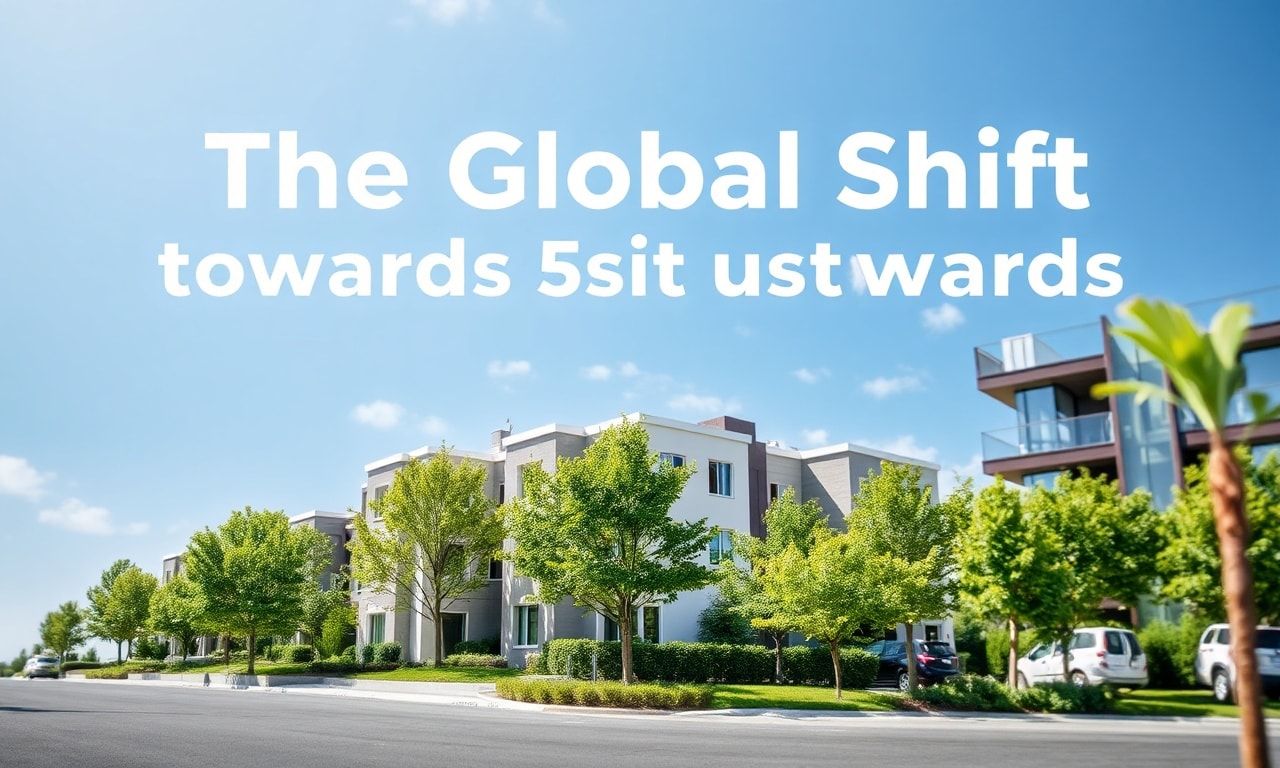
The Rise of Sustainable Real Estate
The global real estate market is undergoing a significant transformation, driven by a growing emphasis on sustainability and long-term environmental impact. Investors are increasingly recognizing the value of green buildings and eco-friendly developments, which not only contribute to environmental conservation but also offer substantial financial benefits. This shift is part of a broader trend towards responsible investing, where financial returns are balanced with social and environmental considerations.
The Benefits of Green Investments
Investing in sustainable real estate comes with a myriad of advantages. Green buildings are designed to be energy-efficient, reducing operational costs and enhancing the overall value of the property. Additionally, they attract environmentally conscious tenants, who are willing to pay a premium for eco-friendly living and working spaces. According to recent studies, properties with high sustainability ratings often experience higher occupancy rates and better resale values, making them a lucrative option for investors.
Moreover, governments around the world are introducing incentives and regulations that favor sustainable developments. Tax breaks, subsidies, and grants are available for investors who commit to green building standards. These policies not only encourage investment in sustainable real estate but also help mitigate the environmental impact of urban development.
Strategic Long-Term Investments
For those looking to diversify their investment portfolio, sustainable real estate offers a promising avenue. Long-term investment strategies, such as those outlined on strategi investasi properti jangka panjang, emphasize the importance of sustainability in ensuring steady returns. These strategies often involve investing in properties that are built to last, with a focus on energy efficiency, renewable energy sources, and sustainable materials. By adopting such strategies, investors can secure their financial future while contributing to a healthier planet.
The Role of Technology in Sustainable Real Estate
Advancements in technology are playing a crucial role in the development of sustainable real estate. Smart building technologies, for instance, enable efficient energy management, reducing waste and lowering costs. These technologies include automated lighting and heating systems, smart meters, and renewable energy solutions like solar panels and wind turbines. The integration of these technologies not only enhances the sustainability of buildings but also improves the quality of life for occupants.
Furthermore, the use of sustainable materials in construction is gaining traction. Materials such as bamboo, recycled steel, and reclaimed wood are increasingly being used in place of traditional building materials. These materials are not only environmentally friendly but also durable and cost-effective, making them an attractive option for developers and investors alike.
The Future of Sustainable Real Estate
The future of real estate is undeniably green. As awareness of environmental issues continues to grow, so does the demand for sustainable living and working spaces. Investors who recognize this trend and adapt their strategies accordingly are likely to reap significant rewards. The shift towards sustainable real estate is not just a passing fad; it is a fundamental change in the way we approach property development and investment.
In conclusion, sustainable real estate represents a unique opportunity for investors to align their financial goals with their environmental values. By embracing green building practices and leveraging advanced technologies, investors can secure long-term returns while contributing to a more sustainable future. As the global market continues to evolve, those who prioritize sustainability will be well-positioned to thrive in the years to come.
In the world of fashion trends, a new report explores the enduring allure of gold, its magical influence on style and its impact on current seasonal collections.
As global trade dynamics continue to shift, understanding Indonesia’s economic policy impacts is crucial for businesses and policymakers alike.
As technology continues to reshape industries, exploring tech-driven investment opportunities offers a compelling look at this evolving landscape.