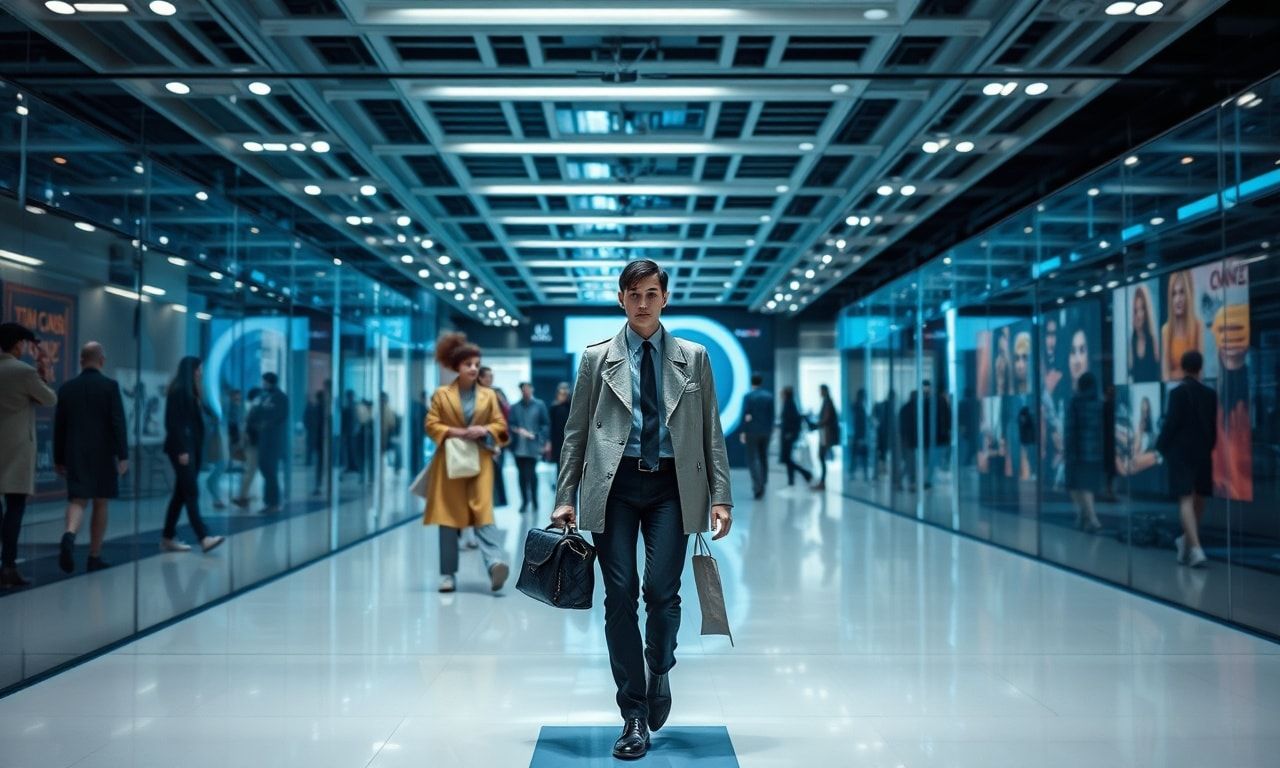
The Evolution of Fashion Technology
The fashion industry has always been at the forefront of innovation, constantly evolving to meet the demands of consumers and the changing times. In recent years, the intersection of fashion and technology has become increasingly prominent, giving rise to a new era of smart clothing, wearable tech, and digital fashion experiences. This convergence is not only transforming the way we dress but also how we interact with our wardrobes and the world around us.
From smart fabrics that monitor health metrics to virtual try-on technologies, the fashion tech landscape is rapidly expanding. This article delves into the latest trends and breakthroughs in fashion technology, exploring how these advancements are shaping the future of the industry.
Smart Fabrics and Wearable Technology
One of the most significant developments in fashion technology is the advent of smart fabrics. These advanced materials are embedded with sensors and microchips that can monitor various health metrics, such as heart rate, body temperature, and even stress levels. For instance, companies are now producing smart shirts that can track athletic performance and provide real-time feedback to wearers.
Wearable technology has also made significant strides, with devices like smartwatches and fitness trackers becoming commonplace. These gadgets not only track physical activity but also offer features like notifications, music playback, and even contactless payments. The integration of these technologies into everyday fashion items is making them more accessible and stylish, appealing to a broader audience.
The Rise of Digital Fashion
Digital fashion is another exciting frontier in the fashion tech world. With the rise of virtual and augmented reality, designers are creating digital clothing and accessories that can be worn in virtual environments. This trend is particularly popular among gamers and those who participate in virtual social platforms, where digital avatars are a significant part of the experience.
Brands are also leveraging digital fashion to offer virtual try-on experiences. Using augmented reality (AR), customers can see how clothes will look on them without physically trying them on. This technology not only enhances the shopping experience but also reduces the environmental impact of fashion by minimizing returns and excess inventory.
Sustainability and Innovation
Sustainability is a critical issue in the fashion industry, and technology is playing a pivotal role in addressing it. Innovations such as 3D printing, biodegradable fabrics, and AI-driven design are helping brands create more sustainable products. For example, 3D printing allows for on-demand production, reducing waste and overproduction.
AI is also being used to optimize supply chains, predict fashion trends, and even design clothing. This technology enables brands to create more efficient and sustainable practices, ultimately benefiting both the environment and consumers. As the industry continues to evolve, the integration of technology will be crucial in achieving sustainability goals.
Fashion Tech in Everyday Life
Fashion technology is not just limited to high-tech gadgets and digital experiences. It is increasingly becoming a part of our everyday lives, from smart home devices to wearable health monitors. For instance, smart mirrors that analyze your wardrobe and suggest outfits are becoming more common. These devices use AI to provide personalized fashion advice, helping users make the most of their Wardrobe Essentials für Abend 2026.
Moreover, the integration of technology into everyday fashion items is making them more functional and convenient. Smart shoes that track steps, jackets with built-in heating elements, and dresses with LED lights are just a few examples of how technology is enhancing our wardrobes.
The Future of Fashion Technology
The future of fashion technology is bright and full of possibilities. As advancements in AI, AR, and smart materials continue, we can expect even more innovative and sustainable solutions. The fashion industry is poised to embrace these technologies, creating a more personalized, efficient, and eco-friendly future.
From smart fabrics to digital fashion, the intersection of technology and fashion is transforming the way we dress and interact with our wardrobes. As these technologies become more mainstream, they will undoubtedly shape the future of the fashion industry, making it more dynamic and responsive to the needs of consumers.
As the fashion world continues to evolve, our latest report London’s fashion future unveiled offers an exclusive look at the trends shaping the industry.
As economic uncertainty continues to impact various sectors, a new report delves into the fashion industry’s current struggles and what it means for global markets.