Introduction
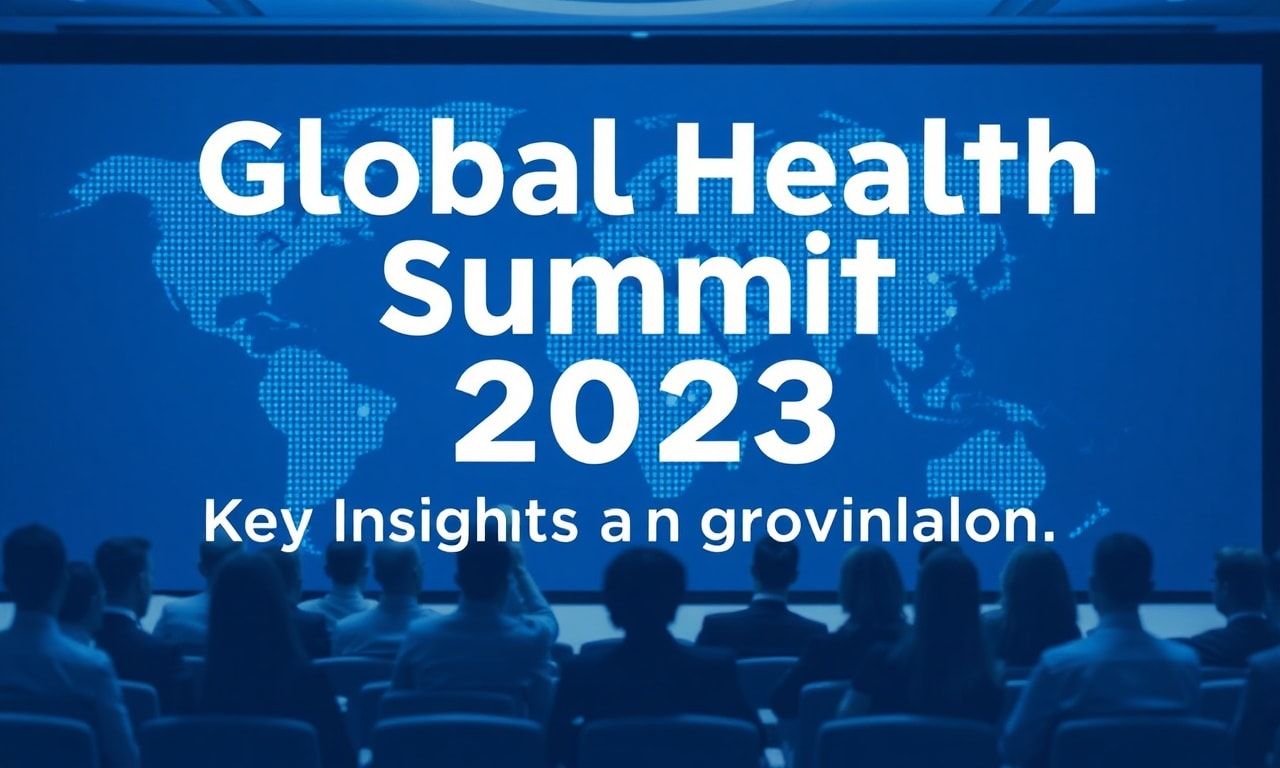
The Global Health Summit 2023, held in Geneva, brought together leading experts, policymakers, and innovators from around the world to discuss pressing health issues and share groundbreaking research. The event, which took place from October 15 to 17, focused on a range of topics, including infectious diseases, chronic conditions, mental health, and healthcare technologies. This article highlights some of the key takeaways and innovations presented at the summit.
Infectious Diseases: Progress and Challenges
One of the major themes at the Global Health Summit 2023 was the ongoing fight against infectious diseases. Speakers discussed the progress made in combating diseases such as HIV/AIDS, tuberculosis, and malaria, as well as the challenges posed by emerging pathogens. Dr. Jane Smith, a leading epidemiologist, emphasized the importance of global cooperation in surveillance and response efforts. She noted that the COVID-19 pandemic has highlighted the need for robust health systems and international collaboration to prevent and control outbreaks.
Another critical topic was the rise of antimicrobial resistance (AMR). Experts warned that the overuse of antibiotics in humans and animals is leading to the development of drug-resistant infections, which could undermine decades of progress in treating infectious diseases. The summit called for increased investment in research and development of new antibiotics and alternative treatments to combat AMR.
Chronic Conditions: A Growing Burden
Chronic conditions, such as diabetes, cardiovascular disease, and cancer, continue to be a significant burden on global health systems. The summit featured several sessions on the prevention, management, and treatment of these conditions. One notable presentation discussed the latest research on health news on diabetes type 2, highlighting the importance of early diagnosis and personalized treatment plans to improve patient outcomes. Experts also emphasized the role of lifestyle modifications, such as diet and exercise, in preventing and managing chronic diseases.
Mental health was another key area of focus. The summit highlighted the increasing prevalence of mental health disorders, including depression, anxiety, and post-traumatic stress disorder (PTSD). Speakers discussed the need for greater access to mental health services, particularly in low- and middle-income countries. They also emphasized the importance of reducing the stigma associated with mental health conditions and promoting mental well-being through community-based interventions.
Healthcare Technologies: Innovations and Applications
The Global Health Summit 2023 showcased the latest innovations in healthcare technologies, which are transforming the way diseases are diagnosed, treated, and managed. One of the most promising areas of innovation is telemedicine, which has gained significant traction during the COVID-19 pandemic. Telemedicine allows healthcare providers to deliver remote consultations, monitor patients’ health, and provide follow-up care, improving access to healthcare services, especially in rural and underserved areas.
Artificial intelligence (AI) and machine learning are also revolutionizing healthcare. AI-powered tools can analyze vast amounts of medical data to identify patterns and predict disease outcomes, enabling early diagnosis and personalized treatment plans. For example, AI algorithms can detect signs of cancer in medical images with high accuracy, helping clinicians make more informed decisions. The summit highlighted the potential of AI to improve healthcare delivery and outcomes, as well as the ethical and regulatory challenges that need to be addressed.
Global Health Equity: Addressing Disparities
Achieving health equity was a central theme at the Global Health Summit 2023. Speakers discussed the persistent disparities in health outcomes between different populations, including those based on income, race, ethnicity, and geographic location. They emphasized the need for targeted interventions and policies to address these disparities and ensure that everyone has access to quality healthcare services.
One of the key strategies to promote health equity is strengthening health systems in low- and middle-income countries. This includes investing in healthcare infrastructure, training healthcare workers, and improving access to essential medicines and technologies. The summit also highlighted the importance of community engagement and empowerment in promoting health equity. By involving communities in decision-making processes and addressing their specific needs, healthcare interventions can be more effective and sustainable.
Conclusion
The Global Health Summit 2023 provided a platform for experts and stakeholders to share knowledge, discuss challenges, and explore innovative solutions to improve global health. The summit’s key takeaways and innovations highlight the need for continued investment in research, technology, and health systems to address the complex health challenges of the 21st century. By working together, the global health community can make significant progress in achieving health equity and improving the well-being of people around the world.